Case study: a plastics processor whose quality data lived in three spreadsheets
By Aaron McClendon, Founder & CTO, Arkitekt AI
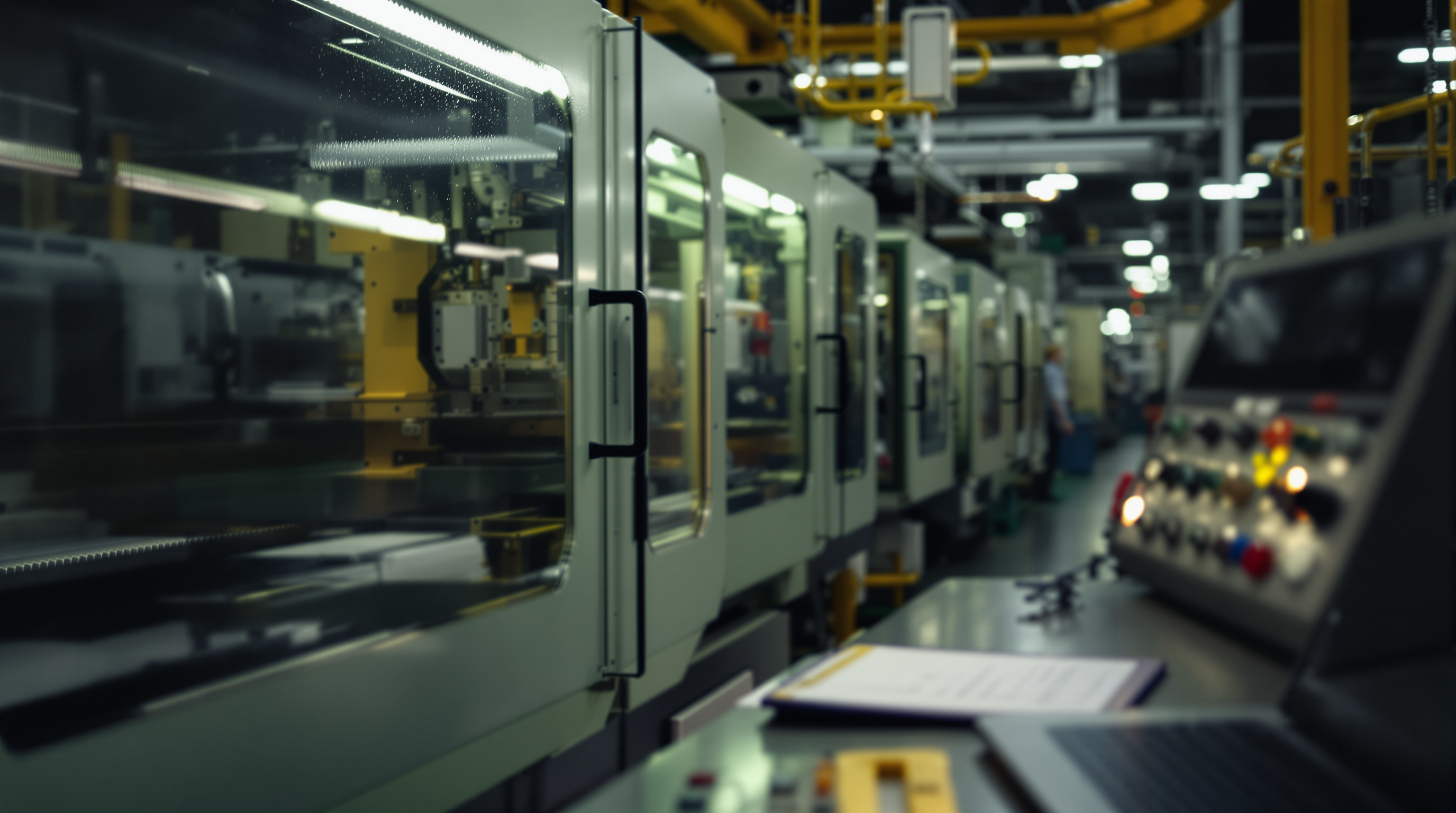
A plastics processor came to us last year with a familiar problem. They had the data. They just couldn't use it.
Process parameters lived in the presses. QC measurements lived in a shared Excel file that the quality tech updated between checks. Scrap and downtime lived in a third workbook the shift supervisor filled out at end of shift, mostly from memory. Three sources of truth, none of them talking, all of them a day behind by the time anyone looked.
This is not a rare setup. Plastics Technology has been writing about it for a while — see their piece on how better manufacturing data helps processors make better decisions. The pattern they describe matched what we walked into almost exactly: shops that instrument their presses, generate real data, and then strand it in files nobody queries.
What they had
- Roughly 20 presses, a mix of ages, most exposing shot data over OPC UA. - A quality workbook with dimensional checks and visual defect codes, keyed by job and shift. - A downtime and scrap workbook the supervisors owned. - A gut feeling that certain tools ran better on certain presses, but no way to prove it.
What they wanted was simple to state and hard to do: when scrap goes up, tell me why, and tell me while the job is still running.
What we built
We did not replace their MES. They did not have one, and they did not want one. What we built was a small, focused system on managed infrastructure:
- A lightweight collector that pulled shot-level data off the presses and normalized it by tool and job. - A floor-side capture app on ruggedized tablets for the QC techs and supervisors. Same fields they were entering into Excel, but tied to the running job and timestamped automatically. - A single warehouse behind it, and a handful of dashboards designed around the questions they actually asked at the morning meeting. - Alerts, not many. Scrap rate over threshold for a running job. Cycle time drift on a specific tool. That was mostly it.
We shipped the first version in about six weeks. The rest was refinement with the supervisors who used it.
What changed
We won't quote a scrap number here because the picture is messier than a single figure. What we can say honestly:
- The morning production meeting got shorter. The data everyone was arguing about was on one screen. - Root-cause conversations moved from "whose spreadsheet do we trust" to "what does the shot data show for that window." - A tool-to-press pairing that the plant manager had always suspected was bad showed up clearly in the first month of consolidated data. They stopped running it that way. - The quality tech stopped double-entering data at end of shift.
The takeaway
The data was already there. It almost always is. What was missing was somewhere for it to land together, and a workflow that fit the way the floor already worked. That is most of the job in plants like this one. The presses are not the problem. The spreadsheets are.
Arkitekt AI builds production-grade custom software on managed infrastructure — replacing the SaaS you've outgrown with systems you own. If you're paying for tools that almost fit, let's talk.
Source: “Inside Big Software's fight for its life,” Ashley Stewart, Business Insider, April 7, 2026.